
- Event Start Date:07/11/2026 at 9:00 AM
- Event End Date:07/11/2026 at 6:00 PM
- Capacity:30
- Bookings Close On:05/11/2026 at 6:00 PM
- Event Times:Saturday 9AM - 6PM. Registration 8:30.
- CPD Credits:8
I. Introduction
Temporomandibular Joint Disorders (TMDs) affect a significant portion of the
population, with symptoms ranging from jaw pain and clicking to headaches, neck
discomfort, and difficulty chewing. As neuromusculoskeletal specialists, chiropractors
are uniquely positioned to assess and manage TMJ dysfunction through non-invasive,
evidence-informed techniques. The inclusion of a comprehensive TMJ management
module in chiropractic continuing education reflects current clinical needs,
interprofessional collaboration trends, and the scope of chiropractic care.
II. Educational Principles
The proposed TMJ management seminar/module will be grounded in the following
educational principles:
1. Evidence-Based Practice (EBP): Participants will be taught to integrate the
best available research, clinical expertise, and patient preferences when
managing TMJ conditions.
2. Clinical Reasoning & Critical Thinking: Emphasis will be placed on
differential diagnosis, biomechanics, and functional analysis of the
stomatognathic system.
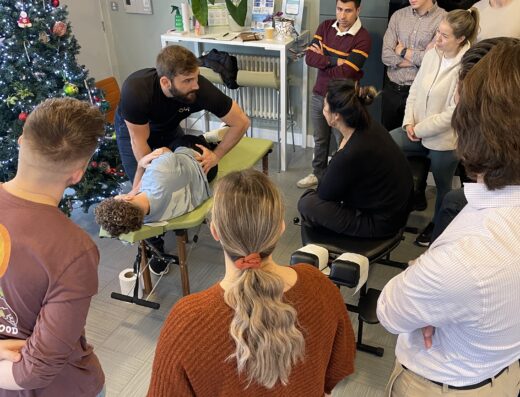
3. Hands-On Competence: Training will include palpation, joint mobilization,
cranial techniques, and myofascial therapies with supervised clinical application.
4. Interdisciplinary Awareness: Participants will understand collaborative
roles with functional dentists, orthodontists, physical therapists, and speech-
language pathologists in managing complex TMJ cases.
III. Chiropractic TMJ Management Strategies
Instructions will cover the following assessment and treatment strategies:
A. Assessment Techniques
• History taking with TMJ-specific questioning
• Functional jaw movement testing (ROM, deviation patterns)• Palpation of TMJ and masticatory muscles (masseter, temporalis, pterygoids)
• Auscultation for clicks, pops, and crepitus
• Cranial nerve screening
• Postural (cervical spine and pelvis) analysis
B. Treatment Approaches (discussion)
1. Chiropractic Adjustments:
o Manual (Diversified/Gonstead and Terminal Point) and instrument-
assisted (Activator) techniques for the upper cervical spine (C0-C3) and
craniomandibular articulation
o Sacro Occipital Technique (SOT) cranial releases (e.g., temporal,
sphenoid, maxilla bone adjustments)
2. Myofascial Release & Soft Tissue Work:
o Intraoral and extraoral techniques for the temporalis, masseter,
pterygoids, and digastric
o Trigger point therapy and fascial release
3. Neuromuscular Reeducation:
o TMJ stabilization exercises
o Postural retraining and jaw proprioception exercises
4. Adjunctive Therapies (discussion):
o Low-level laser therapy (LLLT) and/or Cold Laser
o Cold packs, moist heat, and electrotherapy (as needed)
o Nutritional guidance for inflammatory control
IV. Benefits of Learning TMJ Management
Integrating TMJ management into the chiropractic curriculum will:
• Enhance Scope of Clinical Competency: Participants will be able to identify
and manage TMJ dysfunction confidently, increasing treatment options for a
broad patient base.• Address a Commonly Overlooked Condition: Many patients seek non-
invasive alternatives to pharmacologic or surgical TMJ interventions.
• Foster Interdisciplinary Collaboration: Equips chiropractors to coordinate
care with dental and allied health professionals.
• Improve Patient Outcomes: Treating TMJ dysfunction holistically can reduce
pain, restore function, and improve quality of life.
V. Training Methodologies
The module will utilize a multimodal instructional approach:
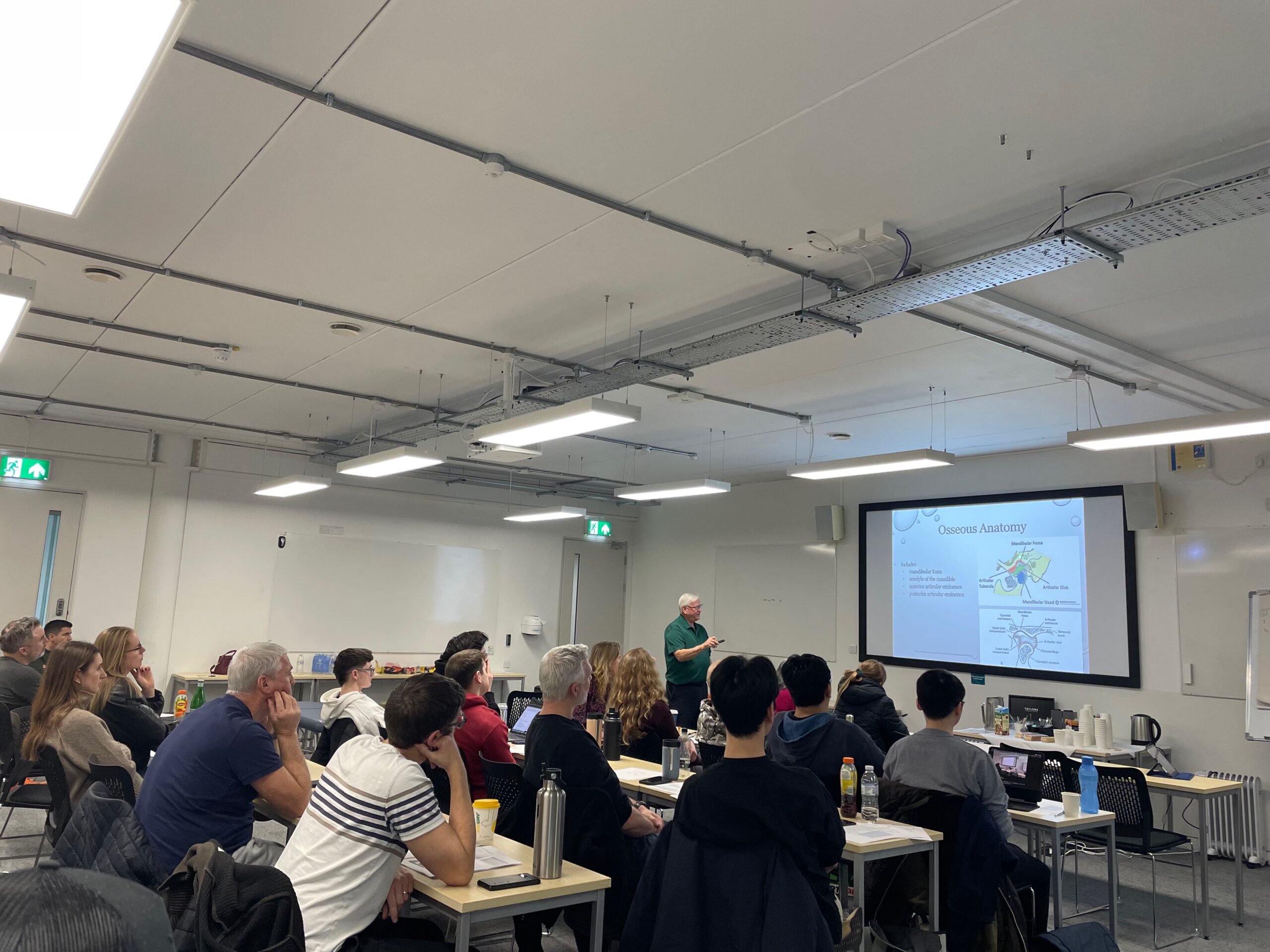
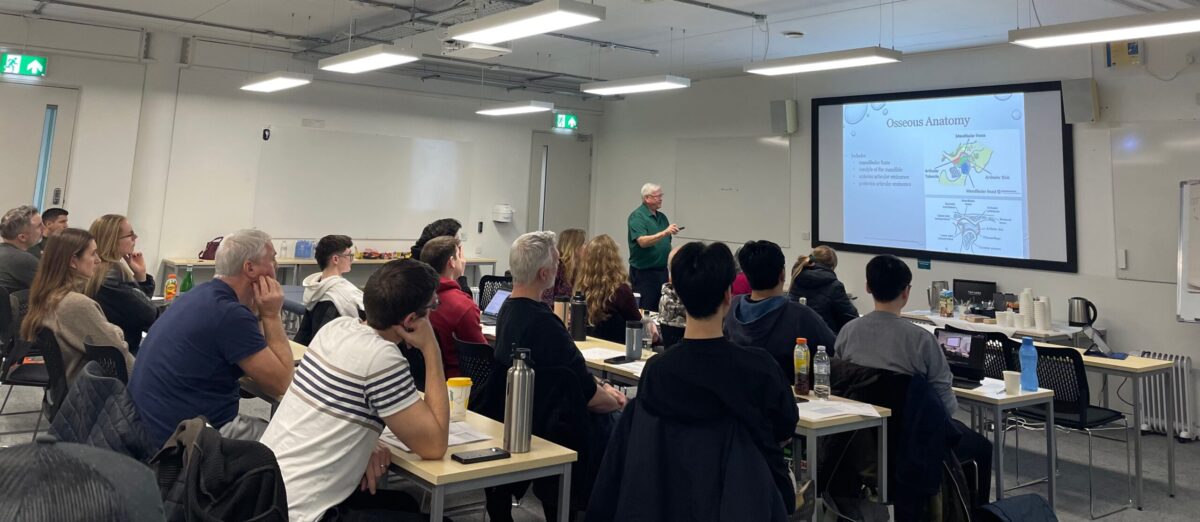
1. Didactic Instruction:
o Lectures on anatomy, physiology, biomechanics, and pathology of the TMJ
o Case-based learning for clinical application
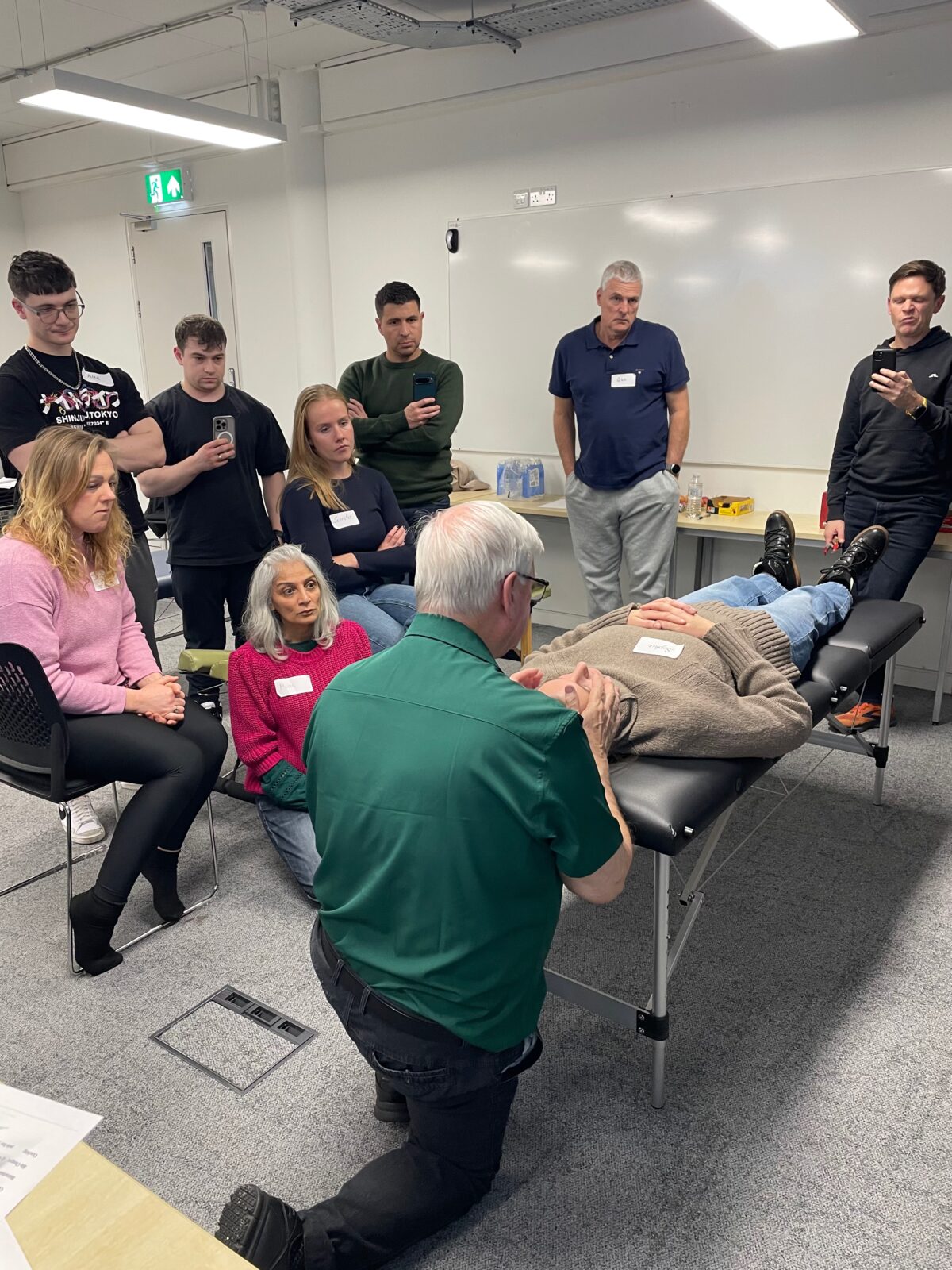
2. Laboratory Practice:
o Peer-to-peer hands-on sessions with real-time instructor feedback
3. Clinical Integration:
o Participant supervised clinical rotation focused on TMJ assessment and
treatment
This is Day 1 of Davids teaching weekend, you can attend one or both days. Please see ticket options for this below. Day 2 is Clinical Hints & Adjustment Indicators.
**Please ensure you bring benches with you for this seminar**
Categories
Topics
Regions
Pricing
Similar Listings


Hosted By: David Hannah
