
- Event Start Date:29/11/2026 at 9:00 AM
- Event End Date:29/11/2026 at 5:00 PM
- Event Times:Sunday 9-5. Registration 8:30.
- CPD Credits:7
Course Description:
This is day 2 of 2 seminars across the weekend which will forever change the way you practice.
It has been split into two days which can be done separately or together. Day 1 being an introduction and Day 2 being more advanced. It is highly recommended however to do both days to gain the full understanding which will optimise the implementation in practice.
Adjusting Techniques in Functional Neurology is a dynamic, hands-on program that
teaches you how to apply chiropractic adjustments and rehabilitation strategies to
influence and optimise brain function safely, strategically, and with neurological
intent. You’ll gain a deep understanding of how specific adjustments can optimise
the central nervous systems’ integrated state by modulating sensory input.
If you’re ready to move beyond “hit and hope” adjusting and instead make each
adjustment neurologically meaningful, this course is your next move.
This course will:
- Enhance your understanding of the neurological control of posture and
movement - Optimise the specificity of your treatment
- Optimise your short and long-term clinical results
- Minimise adverse effects from your treatment
- Minimise the probability of your patients relapsing
What you will learn:
Day 1:
An overview of the key areas of the brain that control posture and
movement.
How to test and optimise the key areas of the brain that affect posture and
movement using chiropractic techniques, Deep tissue techniques, dry
needling, vibration and strength training. (Practical session)
How to effectively stabilise the pelvis and entire spinal column in the quickest and most effective manner. (Practical session)
Day 2:
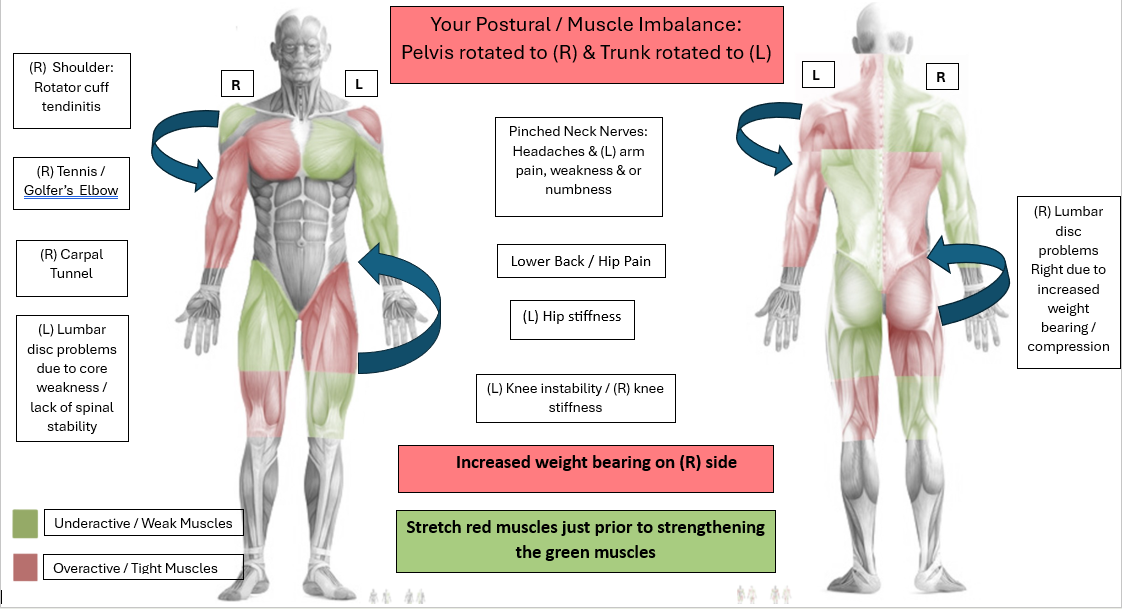
How to quickly and easily identify and test the neurological patterns that all
your patients present with.
How to balance each neurological pattern through spinal and extremity
adjustments, soft tissue techniques and rehabilitation.
We’ll cover:
✔️ The 5-minute neurological exam to identify functional neurological / postural
imbalance patterns.
✔️ When, where, and why to use adjustments for specific brain regions
✔️ How to layer and couple adjustments with soft tissue techniques for maximum
brain impact
✔️ Practical application of multiple advanced adjusting techniques for spine and
extremities
Who Should Attend?
Chiropractors seeking to elevate their adjusting skills with brain-based precision and clinical purpose.
Why This Course?
✅ Turns adjusting into a neurological tool, not just a mechanical one
✅ Grounded in functional neurology and neuroscience literature
✅ Designed for immediate integration into clinical practice
Treat with purpose. Adjust with strategy.
Enrol now and learn to manipulate the brain, not just the spine.
**Please ensure to bring a portable bench with you**
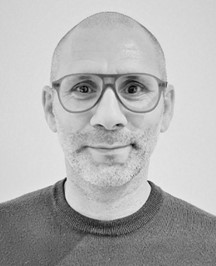
Dr Mark Yacoub Bio
After 7 years in practice, I was seriously considering making a career change.
Despite attending seminars and learning many new techniques over the years, I
was still not getting the clinical results that I had hoped for, I thought Chiropractic
was better.
My frustration stemmed from two main reasons:
– Not understanding why patients kept relapsing and
– Not understanding why certain techniques worked on some patients but not
on others with seemingly similar issues
It became a “Hit and Hope” clinic as I still did not have an overall strategy.
This all changed immediately after attending an introductory seminar to Functional
Neurology – (much like this seminar) – 15 years ago, it was a ‘game changer’
moment. That seminar gave me a much clearer understanding of the functioning of
the Nervous System with particular emphasis on the impact it has on the control of
Posture, Balance, Coordination and Movement.
I went on to enhance my understanding by continually attending countless
Functional Neurology seminars with the Carrick Institute over the years and have
also completed the excellent Functional Neurology Orthopaedic Rehabilitation
FNOR seminar series.
Using Functional Neurology as my clinical foundation enables me to quickly and easily identify the root of a patient’s problem and customise a care plan which provides optimum results. It is the method that I have been utilising and training my associates to use since 2012. I can honestly say that I have never enjoyed my work more than I do now, to the point that I can’t see myself retiring, even after 23 years in practice.
Categories
Topics
Location
Similar Listings


Hosted By: Mark Yacoub